Source Anti Theft Bike Lock for Bicycle, Mountain Bike, Road Bike
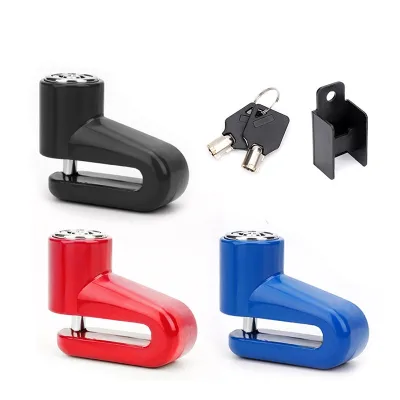
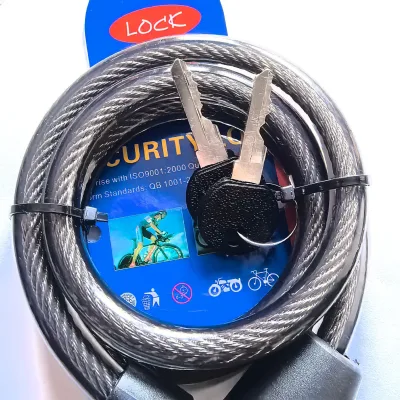
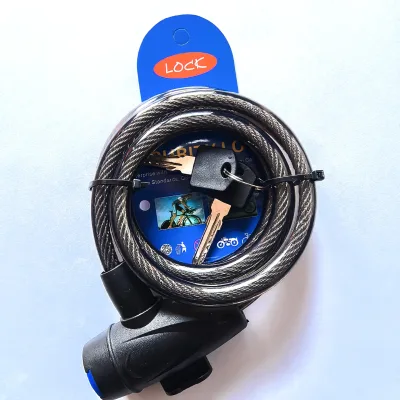
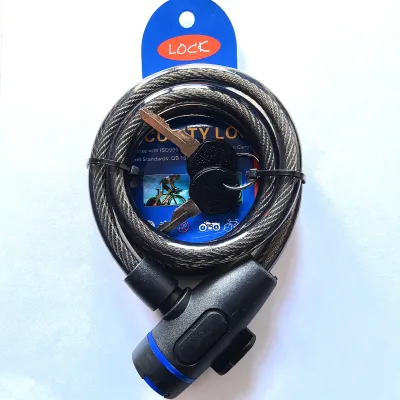
Find 30 anti theft bike lock options including U-locks, chain locks, and wheel clamps from suppliers in China. Buyers can compare theft-proof performance, materials like steel and zinc alloy, and customization features to select the right security solution.
Key considerations
Products List






Comprehensive Sourcing Guide
Strategic Sourcing Guide for Anti-Theft Bike Locks
The global market for bicycle security hardware has expanded significantly as urban mobility solutions and personal transportation reliance have grown. For B2B procurement professionals, sourcing anti-theft bike locks requires a rigorous approach that balances technical performance, supply chain reliability, and cost efficiency. This guide synthesizes observed market data and technical specifications to provide a structured framework for evaluating suppliers and selecting products that meet specific operational needs. The focus remains on evidence-based criteria derived from current product listings and industry standards, ensuring that procurement decisions are grounded in verifiable facts rather than marketing assertions.
Technical Specifications and Material Composition
Understanding the physical and mechanical attributes of a bike lock is the foundational step in the sourcing process. The material composition directly influences durability, weight, and resistance to cutting or prying tools. In the current market, steel is a predominant material observed in high-security lock bodies, offering a robust balance between tensile strength and cost. For instance, specific product lines utilize steel construction for the main body, ensuring resistance against brute force attacks. However, the internal mechanisms often vary; lock cores may be constructed from copper or zinc alloy, each presenting different wear characteristics and security profiles.
The locking mechanism type is equally critical. The market features a diverse array of designs, including clamp-type wheel locks, mechanical steering wheel locks, and U-locks. Clamp-type wheel locks are specifically designed to secure the wheel to the frame, while U-locks provide a rigid barrier against leverage attacks. Chain locks, often available in varying diameters such as 12mm, offer flexibility for securing multiple points of the bicycle or attaching the bike to fixed infrastructure. The length of the chain or the dimensions of the U-bar are specific technical parameters that must align with the intended use case. Observed specifications include lengths ranging from approximately 120cm for chain variants to standardized dimensions like 10x800mm or 12x1200mm for other lock types. Buyers must verify that the physical dimensions of the lock accommodate the specific bike models and parking environments of their target customers.
Security Performance and Certification Standards
Security performance is the primary value proposition of an anti-theft lock. Buyers must scrutinize the theft-proof performance ratings provided by manufacturers. Market data indicates a tiered classification system, with products ranging from "B Class" to "Ultra B Class" for lock core theft-proof performance. These classifications suggest varying levels of resistance to picking, drilling, and forced entry. A lock rated as "Ultra B Class" implies a higher degree of security compared to standard B Class units, though the specific testing methodologies behind these ratings should be verified against independent standards.
Certification plays a vital role in validating these security claims. While some products in the supply chain list certifications such as ISO, indicating adherence to international management system standards, buyers must ensure that these certifications cover the specific manufacturing processes and quality control measures relevant to security hardware. The presence of a certification does not automatically guarantee the lock's physical security rating; rather, it suggests a structured approach to production consistency. Furthermore, the standardization of the product itself is a key indicator of quality. Specifications such as "10x800mm" or "12X1000mm" serve as reference points for the physical standards of the lock body or chain, but buyers should confirm that these dimensions are consistent across production batches to ensure uniform security performance.
Cost Drivers and Pricing Dynamics
The pricing of anti-theft bike locks is influenced by a complex interplay of material costs, manufacturing complexity, and order volume. Observed price ranges in the current market span from $0.57 to $13.00 USD, reflecting a wide spectrum of product tiers. The lower end of this range typically corresponds to simpler mechanical locks or those with basic steel construction, while the higher end often includes advanced locking mechanisms, superior materials like zinc alloy cores, or specialized designs such as European-style lock cylinders.
Minimum Order Quantity (MOQ) is a significant factor in determining the effective unit cost. The market exhibits a broad MOQ range, from 1 unit to 3,000 units. For buyers with large volume requirements, negotiating closer to the 3,000-unit threshold can significantly reduce the per-unit price. Conversely, smaller buyers may face higher unit costs but benefit from lower upfront capital expenditure. The packaging method also impacts cost; options range from simple plastic bags with cards to bound cards or standard cartons. Customization, such as OEM branding or specific color requirements like black, adds a layer of complexity that can influence the final price. Buyers should analyze the total cost of ownership, including shipping and potential tariffs, rather than focusing solely on the base unit price.
Supplier Evaluation and Origin Verification
Evaluating the reliability of a supplier requires a deep dive into their operational capabilities and geographic origins. The supply chain for bike locks is concentrated in specific manufacturing hubs, with Wenzhou and Hebei in China emerging as prominent locations. Products originating from these regions often benefit from established supply chains for steel and metalworking. However, buyers must verify the specific origin of each product line, as quality control standards can vary between factories even within the same city.
Brand identity is another critical evaluation metric. The market includes established brands such as Naibao, Nurbo, and Hc, each with their own reputation and product portfolios. While brand recognition can be a proxy for quality, it should not be the sole determinant. Buyers should assess the supplier's ability to provide OEM services, as many listings indicate "OEM: Yes" and "Customization: Available." This capability allows buyers to tailor products to their specific market needs, including custom branding, packaging, and technical specifications. The availability of customization options, such as specific key types (e.g., brass keys) or keyless designs, further demonstrates a supplier's flexibility and technical competence.
Quality Control and Inspection Protocols
Implementing a robust quality control (QC) protocol is essential to mitigate the risks associated with sourcing security hardware. Given the critical function of bike locks, any failure can lead to significant financial loss and reputational damage for the buyer. QC should begin with a review of the product specifications, ensuring that the material (e.g., steel), dimensions, and locking mechanisms match the agreed-upon standards. For example, verifying that a "Chain Lock" actually meets the specified 12mm diameter is a basic but necessary step.
Inspection should also cover the packaging and labeling. Products are often shipped in cartons, plastic bags with cards, or bound cards, and the integrity of this packaging is crucial for protecting the product during transit. Additionally, buyers should verify the condition of the goods, ensuring they are marked as "New" and free from defects. The presence of certifications like ISO should be cross-referenced with the supplier's documentation to ensure validity. For high-security items, third-party testing may be warranted to validate the theft-proof performance claims, such as the "Ultra B Class" rating. Regular audits of the supplier's production line can help maintain consistent quality over time.
Typical Applications and Market Segmentation
The application of anti-theft bike locks varies widely depending on the target demographic and usage environment. The market data indicates that these locks are designed for a broad range of bicycles, including ordinary bicycles, mountain bikes, road bikes, and kids' bikes. This versatility suggests that suppliers must produce a diverse portfolio to meet the needs of different customer segments. For instance, a lock intended for a mountain bike may require higher durability and a different locking mechanism compared to one designed for a lightweight road bike.
The specific type of lock also dictates its application. Clamp-type wheel locks are ideal for securing individual wheels, while U-locks and chain locks are better suited for securing the entire bicycle to a fixed object. Mechanical steering wheel locks and top hook locks offer alternative security methods for different scenarios. Understanding these applications allows buyers to curate a product line that addresses the specific security needs of their customers. Furthermore, the customization options available, such as specific colors or branding, enable buyers to target niche markets, such as corporate fleets or specialized cycling clubs.
Long-Term Procurement Considerations
Sourcing anti-theft bike locks is not a one-time transaction but a long-term strategic partnership. Buyers must consider the scalability of the supply chain, the ability of the supplier to adapt to changing market demands, and the consistency of product quality over time. The availability of customization and OEM services is a strong indicator of a supplier's long-term viability. As market trends shift, the ability to modify product designs, such as changing the lock core type or adjusting the dimensions, will be crucial.
Buyers should also monitor the evolution of security standards and certifications. As theft techniques become more sophisticated, the demand for higher security ratings, such as moving from "B Class" to "Ultra B Class," will likely increase. Maintaining a relationship with a supplier who can keep pace with these technological advancements ensures that the buyer remains competitive. Additionally, understanding the lead times and production capacity of the supplier is vital for managing inventory levels and responding to seasonal demand fluctuations. By focusing on these long-term factors, buyers can build a resilient supply chain that supports sustained business growth.
FAQs
What materials are used for anti theft bike locks?
Steel is the predominant material used for the main body of these locks, offering robust resistance against brute force attacks. Internal mechanisms often vary, utilizing copper or zinc alloy for the lock cores to ensure different wear characteristics and security profiles.
Which lock core types are available in the market?
Lock cores are available in copper, zinc alloy, and European style configurations. These materials influence the internal security profile, with some products rated as Ultra B Class or B Class for theft-proof performance against picking and drilling.
Can I find anti theft bike locks with customization options?
Yes, customization is available for many products, including OEM branding and specific color requirements like black. Buyers can request tailored packaging methods such as carton, bound card, or plastic bag with card to meet specific operational needs.
What is the price range for these security locks?
The observed price range spans from 0.57 to 13 USD, reflecting a wide spectrum of product tiers. Lower costs typically correspond to simpler mechanical locks, while higher prices often include advanced mechanisms or superior materials like zinc alloy cores.
Where are these bike locks manufactured?
Products originate primarily from Wenzhou and Hebei in China, regions known for established metalworking supply chains. Buyers must verify the specific origin of each product line as quality control standards can vary between factories even within the same city.
What specifications define the dimensions of these locks?
Specifications include standardized dimensions like 10x800mm, 12x1200mm, and chain lengths of about 120cm. The diameter for chain locks is often 12mm, ensuring the physical dimensions align with intended use cases for various bicycle types.